on noticing

We sat on the stone dock in the tiny village on the Croatian island of Smokica this morning, watching the world pass slowly by. The water here is crystal clear, astonishingly so, and after a while we started to notice some of the sealife.

The Adriatic, it turns out, is not quite the same as Australia’s Great Barrier Reef. When you swim or snorkel on the Reef, the waters are teeming with life. At times it feels like you’re swimming in an aquarium, so full is the sea. Colour, and shape, and size is everywhere, literally in your face at times.

Here’s it’s different. At first glance the waters seem empty, the sea devoid of life. Of course that’s not the story – there is life, but you have to watch, waiting patiently for it to reveal itself.

As we sat on the dock this morning, that’s exactly what happened. First the smallest of all, swimming about near the surface, a loosely connected school of tiny fish hunting about for any floating morsels of food. So small as to be barely noticeable, but then once you see them, they’re everywhere.

Then something the size of a finger cruises through, maybe a European Anchovy. And then something larger still, the darkly coloured Black Seabream, sitting slightly deeper. As we sit, more and more and more life reveals itself. The Usata or Saddled Seabream is perhaps most common, a distinctive black band on its tail.

Further out something bigger stirs, unseen by us, but evident as a school of small baitfish suddenly burst from the surface and flee for their lives.

Closer in, what might be a tiny Couch’s Goby darts furtively around the rocks, hiding, exploring, feeding, passing a vibrant purple starfish and a black sea urchin.

And then a beautiful fish, solo, striped with vertical blue bands, moving so slowly and carefully through the rocks on the sea floor, it makes the Goby seem positively adventurous. Its name, to me at least, remains unknown.

The longer we sit, the more we see. The more we look deliberately, the more we notice.

After 20, 30 minutes of sitting, paying attention, noticing, it seems the Adriatic is also full of life, just a little patience and willingness to wait and watch is required. It was all we could do to tear ourselves away from the show.

I’m reminded how true all this might be in other parts of my life too. The more we wait, the more we look, the more we see, the more we notice.

Here’s to noticing.
is island life real life?

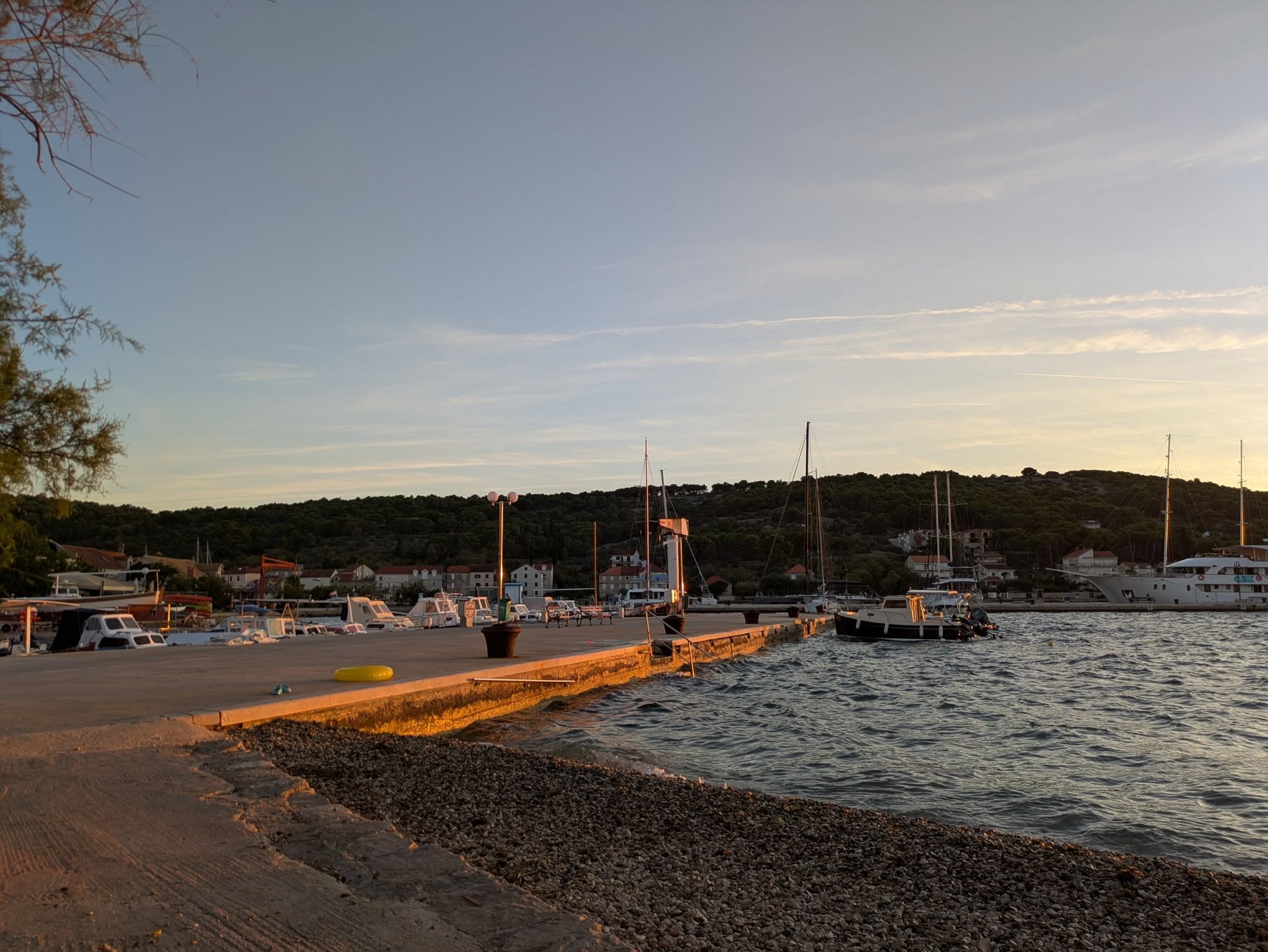
It’s exactly how you’d imagine a small island in the Adriatic sea to be. The houses are crafted from stone – either built a long time ago, or built recently, but made to look old. The dock opens to the sea, and on this day that’s the direction the wind is coming from and so the boats, small and large, bob and tug at their mooring ropes. In the late afternoon sun, a ferry swings in, dropping off those who live on the island but have been elsewhere for the day, and perhaps a smattering who are arriving for a short stay at the end of the summer.

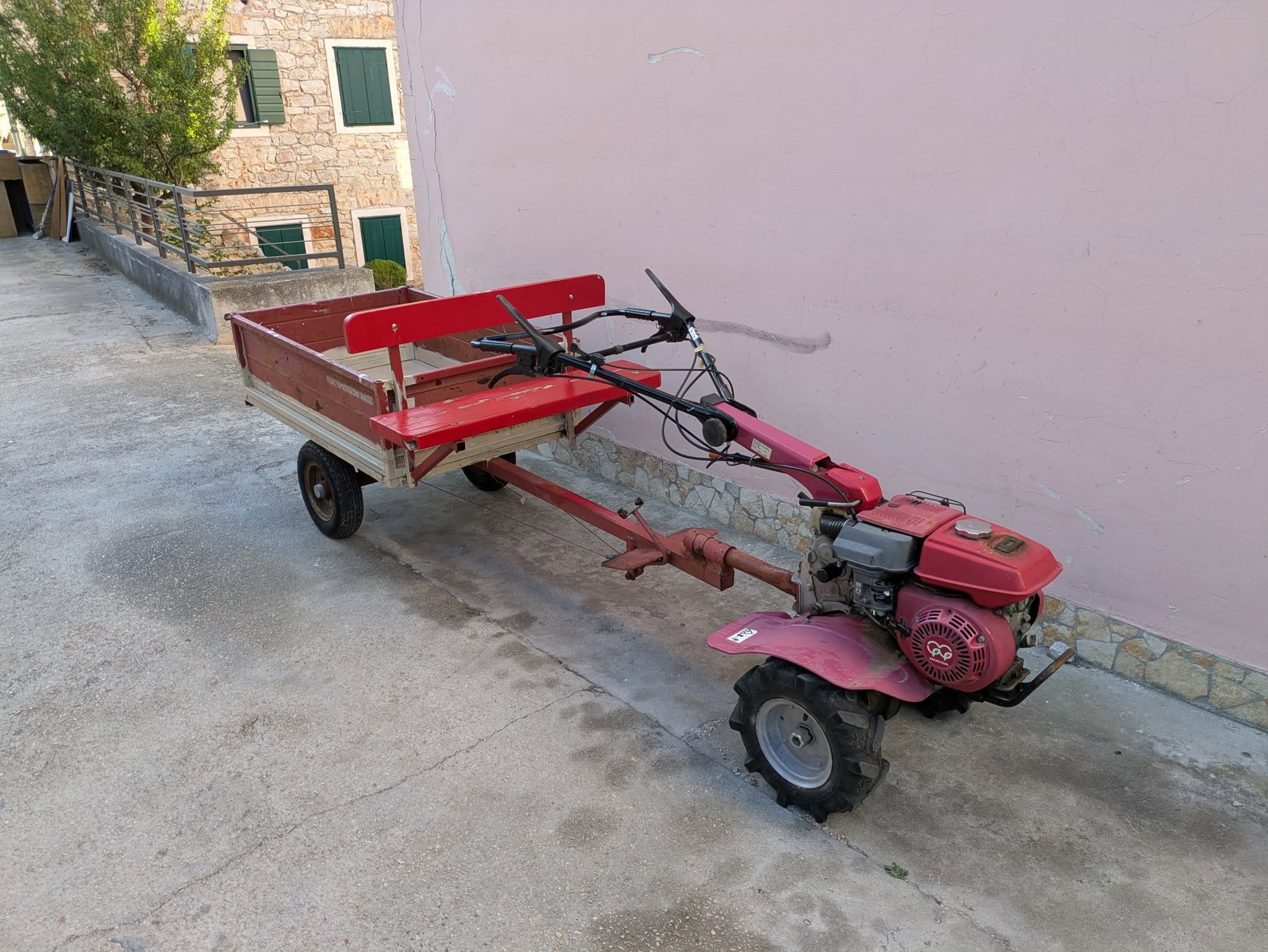
It’s small, so there are no cars, just bikes and the occasional golf cart, and a local contraption that looks for all the world like a box trailer being drawn by a lawn mower. The church bell rings out, as it must do every day here.

Just along the waterfront some government department somewhere has paid for a modern exercise park to be installed, and it sits, unused, quietly rusting away – looking so out of place it’s almost comical. The old men of the island, meanwhile gather to play bocce, and laugh and chatter. One older woman parks her bike, climbs down a ladder into the sea to swim as the sun sets. It looks as if she does this every day of her life. She probably does.

Kids swim and play and fish, while adult-sized people roll by on adult-sized tricycles, a few groceries from the general store the prize for a late afternoon outing. There’s a chest of pool and swim toys sitting by the water’s edge, free for anyone to use (and obviously much more heavily used than the exercise park).

It’s golden hour, the sun setting behind distant islands, and life seems just about as idyllic as you can possibly imagine. We sit on a bench by the water, nibbling on some pre-dinner snacks and reading the books we’ve carried from the other side of the world. Nobody pays any attention, we are just two visitors passing through.

Life here on the Croatian island of Zlarin seems so simple as to be just about perfect. Not for the first time these last few days I find myself thinking about all the ways we overcomplicate our lives. Surely it actually doesn’t need much more than a late afternoon swim, a game of bocce with friends, and a simple house in a beautiful place? Soon enough we will get back on our boat, and in the morning we will sail away to another place, and then in a couple of days fly back home to Australia.

I know I’m not the first to wonder about bringing home the simplicity I see in other places and other people, and trying to practice it in my place, with my people. That’s what I’m thinking about on Zlarin Island as the sun sets and a cool breeze blows.

the most unlikely place

Whitehaven Beach, on Whitsunday Island off Queensland’s central coastline, is an amazing place. It’s regularly named as one of the top 10 beaches in the world, and it’s no wonder. 7km of stunning sandy beachline, backed by pristine coastal forest on an island that is 100% National Park. Apart from a few picnic sheds up one end, and the steady stream of visiting tourist boats anchored off-shore, you could be forgiven for thinking that the beach hasn’t changed in centuries.

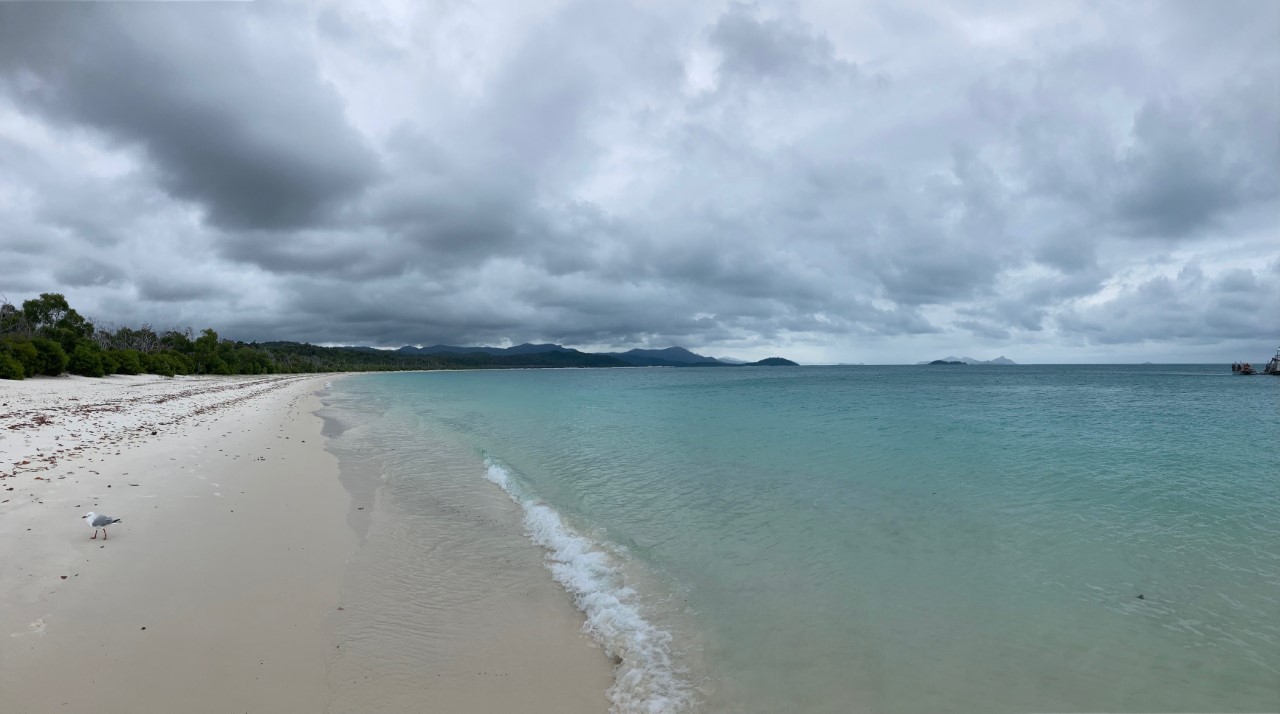
Whitehaven Beach on a moody day

On the day we visited it was overcast and moody….the brooding clouds dark on the horizon lending an amazing atmosphere to the beach and the surrounding islands. Swallowtail dart swam around us as we floated in the pristine waters (wearing our seasonally necessary stinger suits of course!). Even without a postcard blue sky and sunny day, it was astonishingly, achingly beautiful. The natural world at its very finest.

Except that only moments before diving into the waters we had wandered along the beach, beyond the designated tourist area. There on a 15 minute walk along these pearly white sands my eye kept being caught by things that didn’t belong. Bits of plastic, and rubber and rope. A face mask that had protected someone from COVID. A used bandaid. A piece of pipe. Some were fresh – likely bits of deck rubber from stand-up paddle boards that came in with tourist boats that dotted the waters off the beach – but others were weathered and windblown, clearly washed up on the tides from who-knows-where and who-knows-how-long ago. In 15 minutes we collected a couple of dozen bits of rubbish, from the fist-sized to the tiny.

Continue reading